The Afghan story in North America is older, and stranger, than most know — a thread that runs from a Civil War battlefield to the largest arrival in our history. This is what the record remembers.
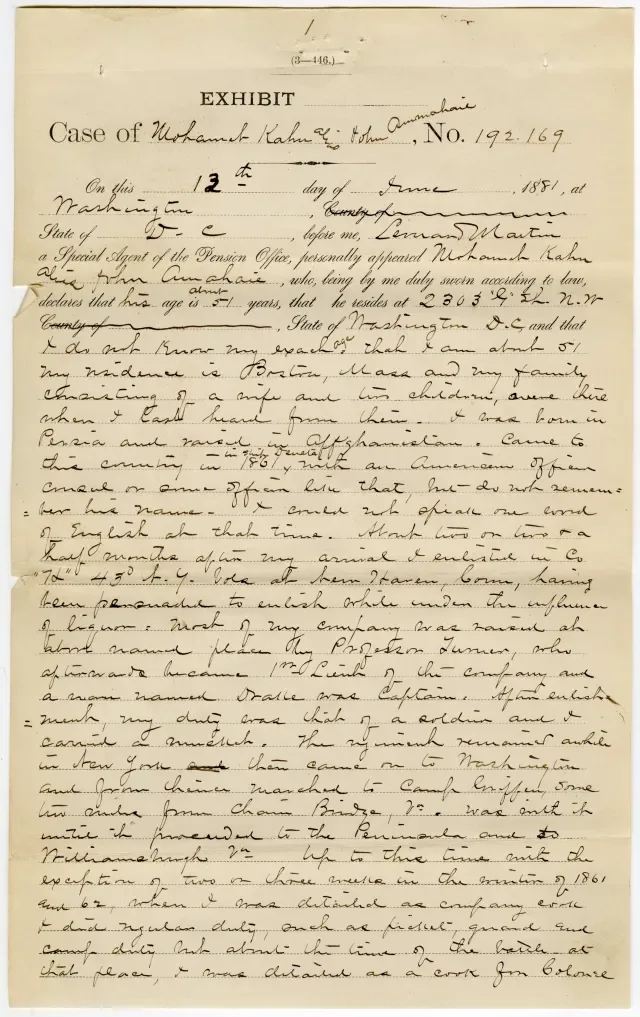
The first Afghan found in American records was not a refugee. He was a Union soldier who fought through the Civil War — and reached Gettysburg in 1863.
The authoritative records describe him as born in Persia and raised in Afghanistan — the earliest verified Afghan-connected individual located in U.S. history. The story does not begin with a war we remember. It begins with one we share.
SourceNational Archives — Private Mohammed Kahn·VA — burial record, John Ammahaie
Estimates drawn from U.S. Census, Statistics Canada, MPI, DHS, and national archives. Early figures rest on scattered named records and are shown as a band of uncertainty; modern figures blend foreign-born, immigrant, and ethnic-origin counts. To gather is also to admit what we cannot yet know.
The early American record keeps no verifiable Afghan name. The United States barely documented immigration before 1820 — an absence that is itself a finding, not proof that no one ever came.
The first strong anchor in the whole story. A man recorded as Mohammed Kahn immigrated in 1861, enlisted in the 43rd New York Infantry, fought through the Civil War, endured discrimination after Gettysburg, and later drew a soldier’s pension.
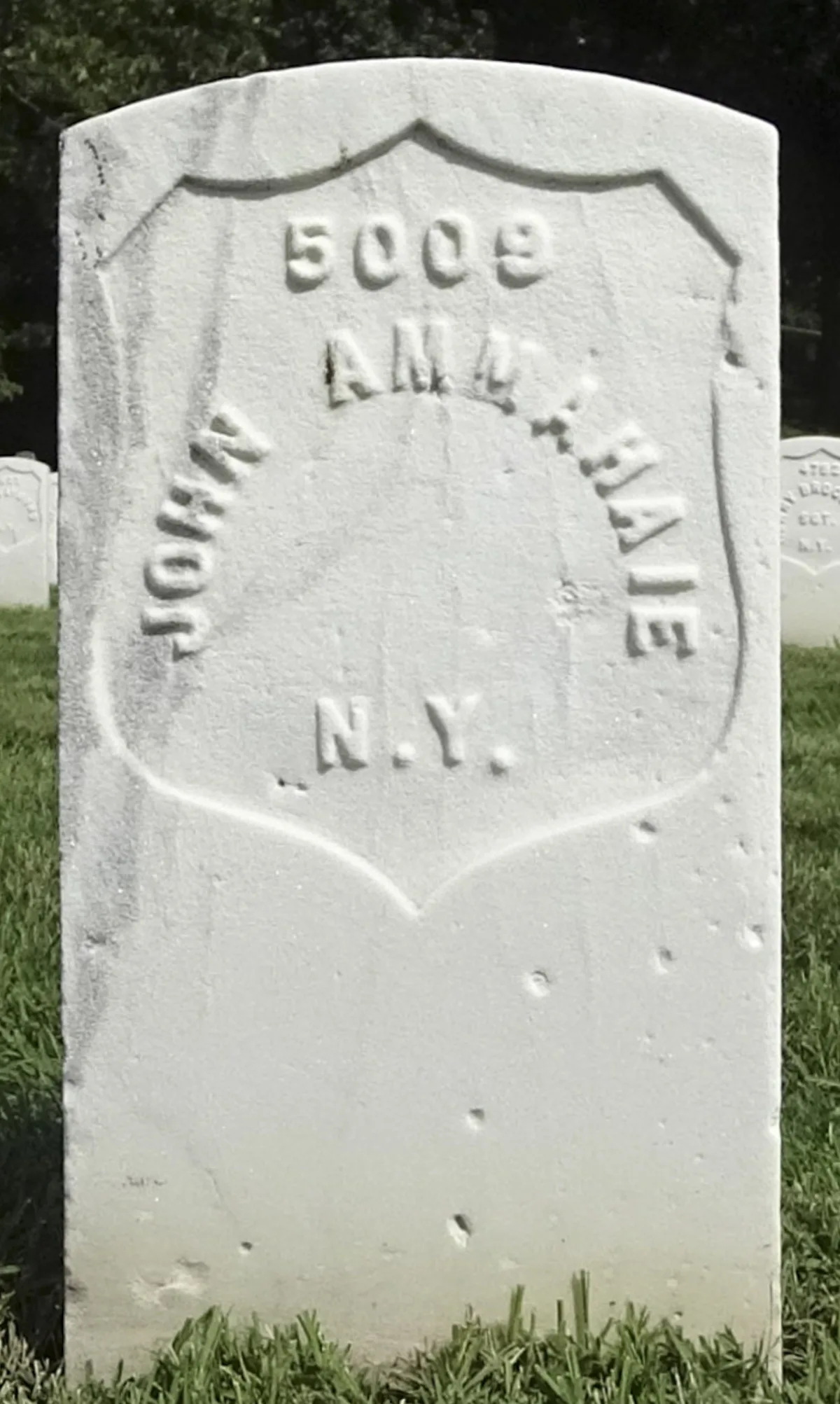
SourceNational Archives — Private Mohammed Kahn, Civil War Soldier·VA — Cypress Hills National Cemetery
Zarif Khan reached the United States in 1907 and settled in Sheridan, Wyoming, by 1909 — a Pashtun Muslim man who became a beloved tamale seller in the American West, half a century before the refugee era.
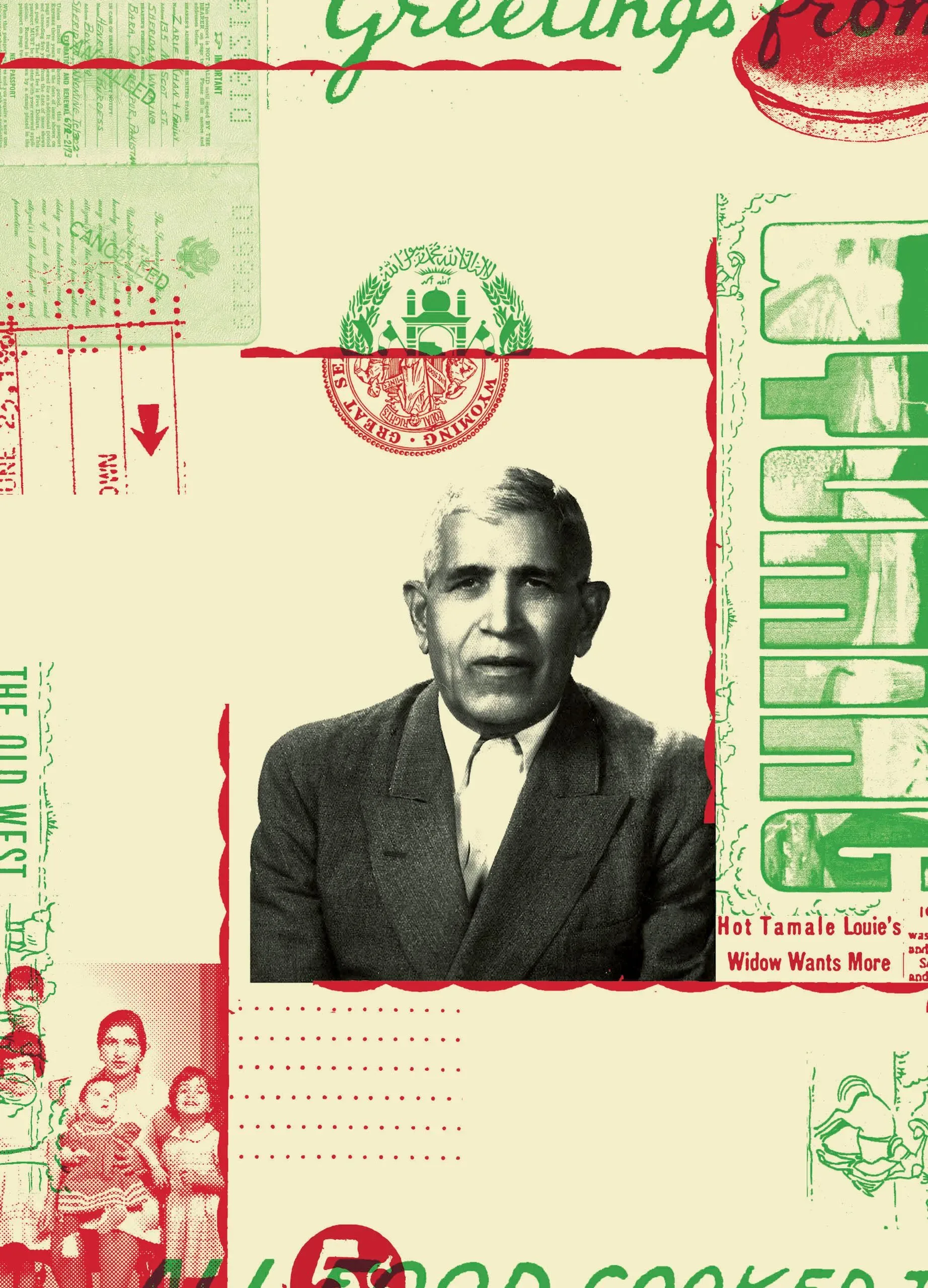
SourceThe New Yorker — “Zarif Khan’s Tamales,” Kathryn Schulz·Bunk History
As a few Afghan and South Asian migrants sought to naturalize, American courts debated whether they counted as “white” under the citizenship law of the day. Abba Dolla’s 1910 case in Savannah, and Feroz Din’s in 1928, made a small presence legally visible.
SourceUnited States v. Dolla (1910)·Law & History Review (Cambridge)
In Montreal, Zaman Khan was naturalized in 1930–31 — the earliest Afghanistan-born record found north of the border. The United States and Afghanistan opened formal relations in 1935. By the mid-1940s, the National Archives reckoned only about two hundred Afghans lived in the entire country.
SourceLibrary & Archives Canada — Zaman Khan·U.S. Office of the Historian·National Archives (Prologue)
The clearest path came through education. The University of Wyoming’s Afghan Project, begun in 1953, trained Afghan students and brought exchange scholars to Laramie. A young Zalmay Khalilzad arrived in Ceres, California, as an exchange student — one of a generation of students, diplomats, and professionals who formed the first thin diaspora.
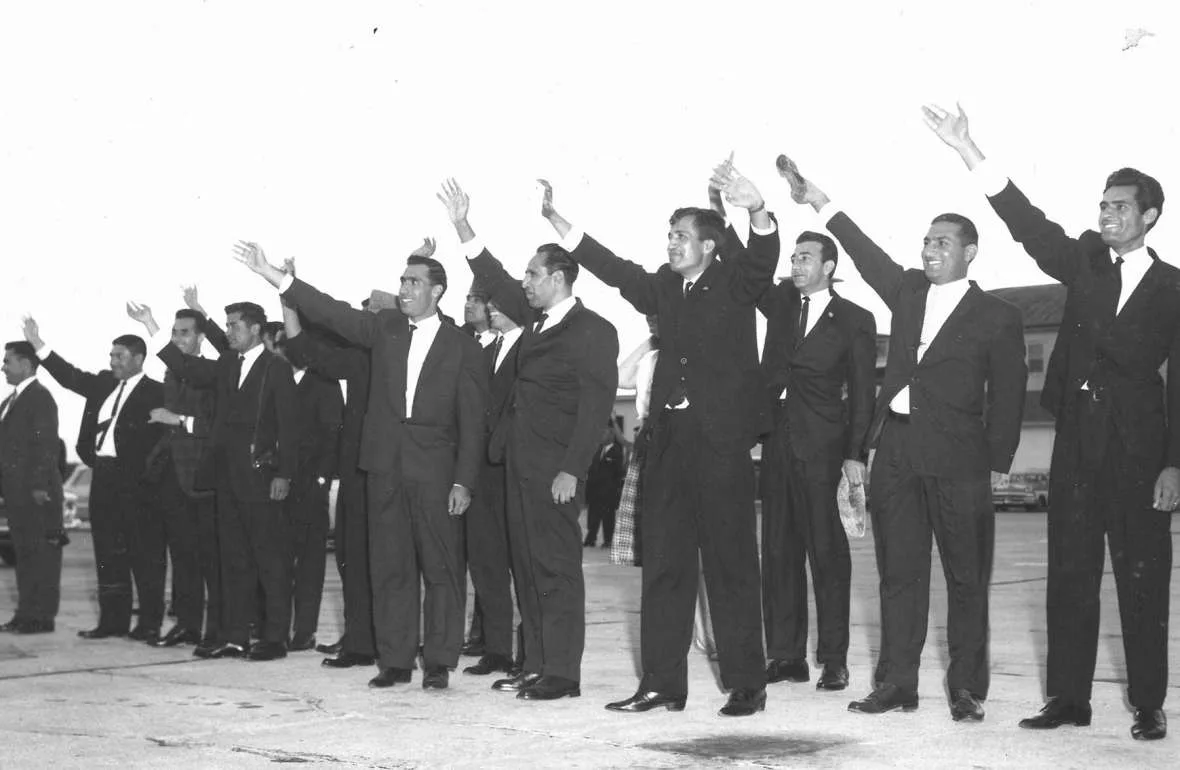
SourceWyoHistory — The University of Wyoming’s Afghan Project·Miller Center — Khalilzad oral history
The Soviet invasion of 1979 turned a small community of students and professionals into a refugee people. The first durable centers formed — the Bay Area, Northern Virginia, Queens, and Southern California — as the count climbed nearly tenfold in a single decade.
The communities consolidated. Fremont’s informal “Little Kabul,” mosques in New York and San Diego, and dense community life in the Washington suburbs gave the diaspora a home address — and, for many, citizenship.
The community deepened across two countries — no longer only refugee enclaves, but business owners, professionals, public officials, and a rising second generation. By 2016, Canada counted 51,960 immigrants born in Afghanistan; the U.S. diaspora approached a quarter-million.

SourceStatistics Canada — 2016 Census·MPI — Afghan Immigrants in the U.S.
After the Taliban takeover, Operation Allies Welcome brought more than 76,000 Afghan evacuees to the United States; Canada received 55,195 between 2021 and 2024 — the single largest expansion in North American Afghan history, layered onto every center that came before.
SourceDHS — Operation Allies Welcome Report·U.S. NORTHCOM·IRCC — #WelcomeAfghans key figures
San Diego became home to one of the largest Afghan communities in the country. The House of Afghanistan was founded here to gather that inheritance, welcome the newest arrivals, and seek a permanent cottage in Balboa Park. The story is still being written; this is where we take it up.
A handful of cities recur across every decade of the record — from a Wyoming main street to the largest Afghan neighborhoods on the continent.
This history is drawn first from primary records — the U.S. National Archives, the Department of Veterans Affairs, the Census Bureau, the State Department, the Department of Homeland Security, Library and Archives Canada, and Statistics Canada — with careful secondary sources where the official count is missing.
It is honest about its limits. The United States kept no consistent Afghan count before 1980, and Canada’s figures mix birthplace, immigrant, and ethnic-origin categories. Where the record is thin, we show estimates as estimates rather than pretend at false precision. To gather is also to verify — and to say plainly what is not yet known.
This timeline is a living page in the Canon. If your family’s story belongs here, we would be honored to listen. Share your story →
Sources cited
U.S. National Archives · Dept. of Veterans Affairs · U.S. Census Bureau · U.S. Office of the Historian · Dept. of Homeland Security · Dept. of Defense (NORTHCOM) · Migration Policy Institute · Library & Archives Canada · Statistics Canada · IRCC / #WelcomeAfghans · The Canadian Encyclopedia · WyoHistory · Miller Center, UVA · The New Yorker