
There is a quiet rhythm to the year—one that has guided humanity long before calendars and clocks.
It lives in the soil, in the changing light, in the hands that sow and the voices that gather to give thanks. This rhythm is the harvest.
At Tradica, the harvest is more than an agricultural moment. It is a living ritual—a cycle of work, patience, celebration, and remembrance that connects generations through shared purpose. This is the story of a year shaped by roots and rituals.
Every harvest begins long before the first crop appears. In early spring, the land is prepared with care. Fields are cleared, tools are repaired, seeds are selected—often from stores passed down through families. These seeds carry more than potential crops; they carry memory, resilience, and trust in the future.
Across cultures, spring rituals mark renewal. Songs are sung to the earth. Offerings are made. Elders teach younger hands how to read the soil, how to respect its limits, how to listen before planting. It is a season of hope, where tradition reminds us that nothing grows without intention.
As the days lengthen, attention shifts from preparation to care. Summer is a season of vigilance. Crops are watered, weeds are removed, and growth is carefully observed. In many traditions, this is a communal effort—neighbors helping neighbors, families working side by side in the heat of the day.
Rituals during this time are quieter but no less meaningful. Protective symbols are placed at field edges. Stories are shared in the evenings, reminding younger generations why patience matters. The harvest is still far away, but the bond between people and land grows stronger.
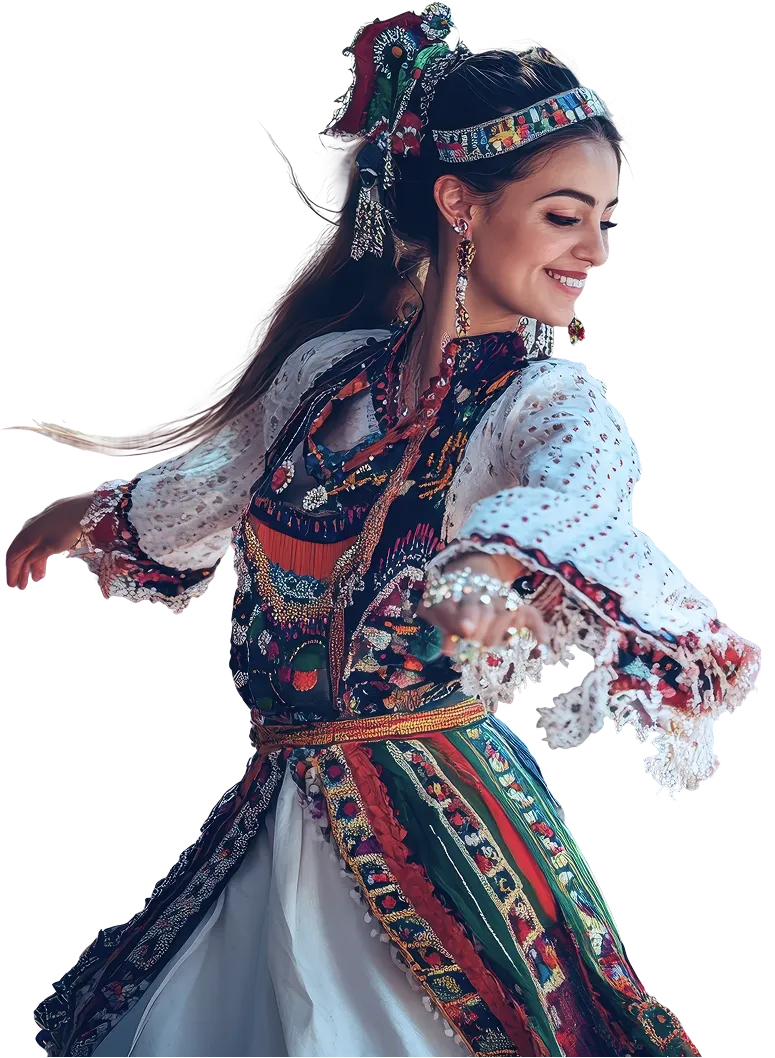
Then comes the moment everyone has waited for. Autumn arrives with fullness—golden fields, heavy vines, baskets filled to the brim. The harvest is not rushed. Each crop is gathered with gratitude, often accompanied by songs, dances, and shared meals.
Across cultures, harvest festivals emerge as some of the most joyful celebrations of the year. They honor labor, cooperation, and the fragile balance between humans and nature.
At Tradica events, we see these traditions come alive:
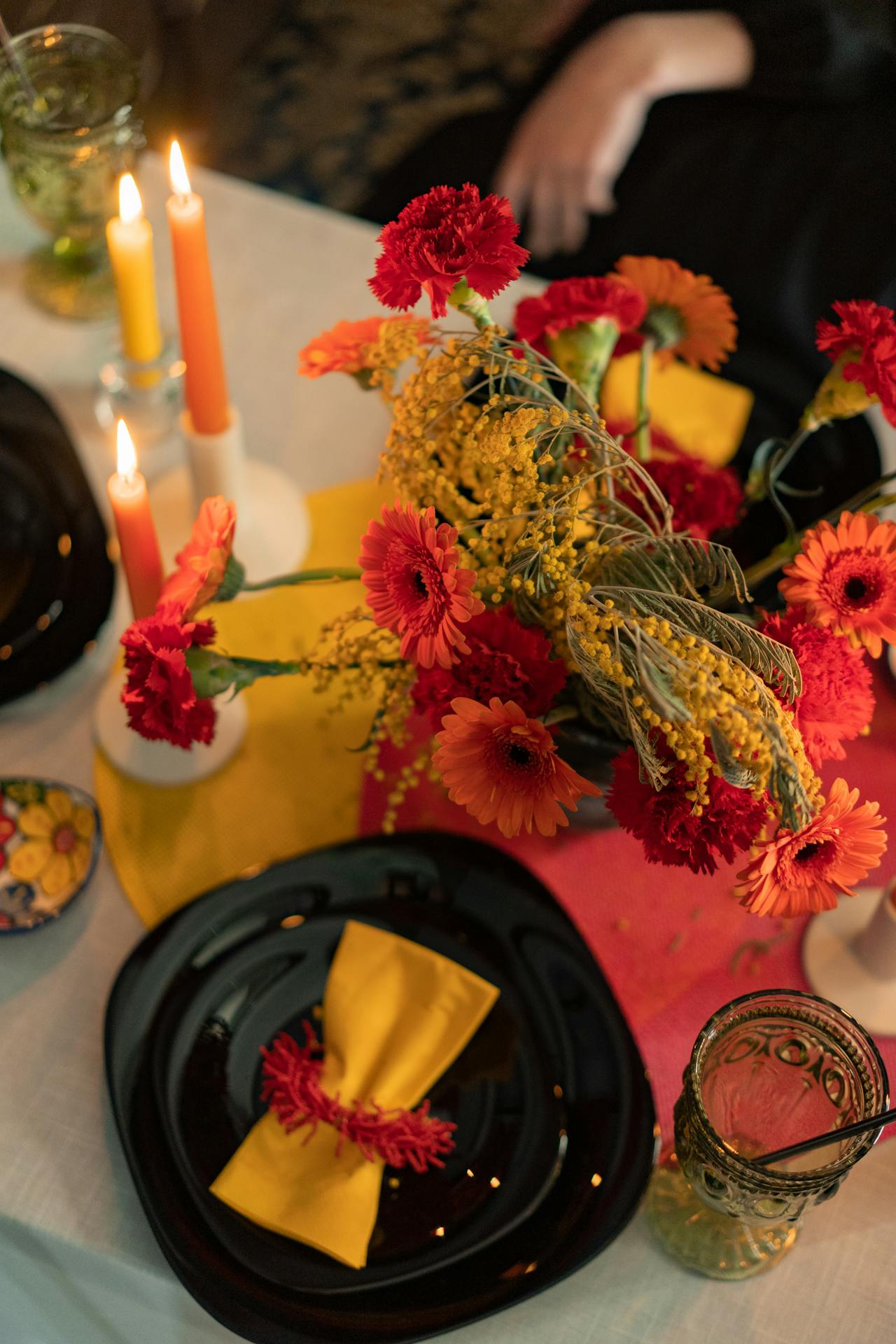
hands stained with earth, laughter around long tables, elders blessing the yield, children learning that abundance is something to be shared. The harvest is not just collected—it is celebrated.
When the fields rest, the rituals continue indoors. Winter is a season of preservation. Food is stored, dried, fermented, and shared. Stories of the year’s harvest are told and retold, becoming lessons for the next cycle.
It is also a time of reflection. Communities look back on what was learned—what succeeded, what failed, and what must be done differently next year. In many traditions, winter gatherings reaffirm gratitude. They remind us that survival has always depended not only on food, but on community, wisdom, and care. In a modern world of instant access and constant consumption, harvest rituals ground us.
At Tradica, we preserve harvest traditions not as relics of the past, but as living practices that still have the power to connect us—to the land, to each other, and to our shared humanity.
Tradica’s programs offer immersive experiences in heritage through learning, storytelling, and community engagement.