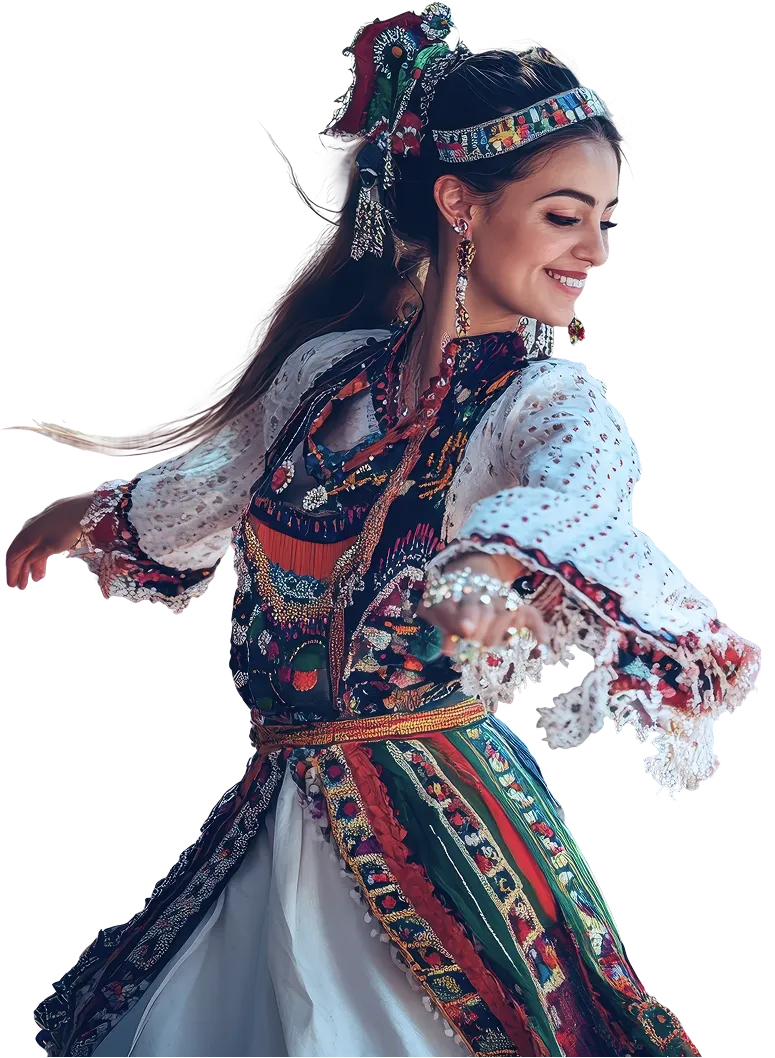

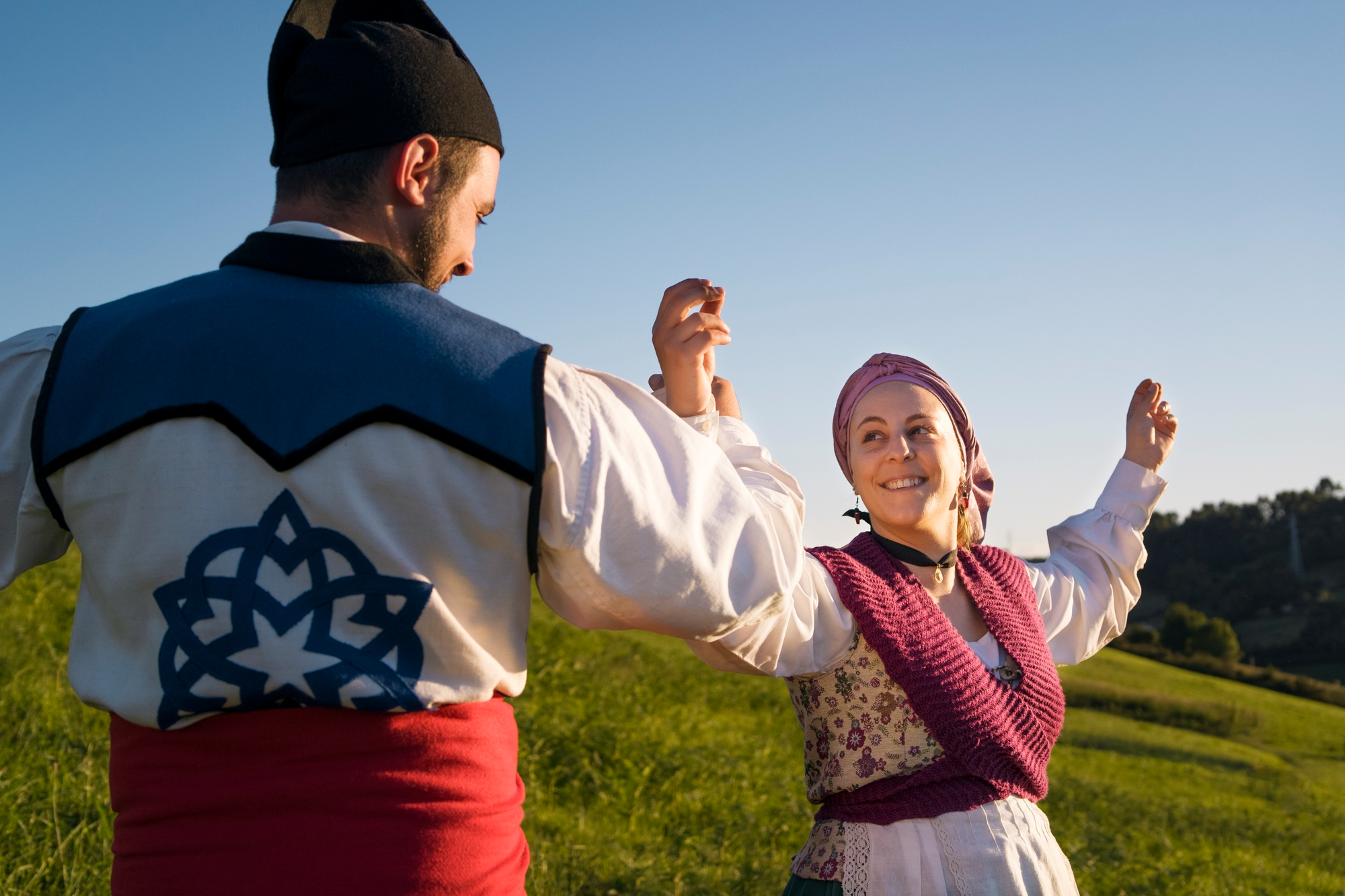
Traditions are not frozen moments in history. They move, adapt, and breathe alongside the people who carry them forward. What we inherit from the past becomes the foundation for how we live, celebrate, and express identity today.
At Tradica, we believe understanding where traditions come from helps us appreciate why they still matter. This is a journey through time—tracing how customs evolved, survived, and continue to shape our shared cultural life. Long before traditions became celebrations, they were necessities.
Early rituals marked the changing seasons, harvest cycles, births, and losses. Songs were used to remember history. Dances communicated unity. Crafts provided clothing, tools, and shelter. Food practices ensured survival during harsh seasons. These early traditions were deeply practical—but also deeply symbolic. They connected people to nature, community, and something greater than themselves. What began as survival slowly became identity.
As communities grew, traditions became stories passed from elders to children. There were no books, no recordings—only memory, repetition, and trust. Skills were taught by watching hands at work. Songs were learned by listening. Rituals were remembered through participation, not explanation. This period defined one of the most important roles of tradition: connection between generations. Every stitch, step, and story carried meaning because it was taught with care.
With modernization, industrialization, and global movement, many traditions faced disruption. People moved away from ancestral lands. Handcrafted objects were replaced by mass production. Languages, songs, and rituals were no longer part of daily life. Some traditions adapted. Others faded into memory. Yet even in times of loss, culture found ways to survive—hidden in family gatherings, holiday rituals, recipes, and quiet personal practices.
In recent decades, there has been a powerful return to cultural roots. Communities began rediscovering forgotten crafts. Young people started asking questions. Artists reinterpreted heritage through modern forms. Food, music, and storytelling regained importance—not as nostalgia, but as meaning. This revival marked a shift: traditions were no longer seen as outdated, but as sources of strength, identity, and belonging.
Today, traditions exist in a beautiful balance between past and present. They are taught in workshops, celebrated at festivals, shared through art, and preserved through storytelling. They evolve while staying rooted. They welcome new voices while honoring old wisdom. At Tradica, we don’t aim to freeze traditions in time—we help them live. Through programs, events, and community spaces, we create opportunities for people to experience heritage as something active and meaningful.
From then to now, tradition has been shaped by hands, voices, and hearts. It is not only about where we came from—but about who we choose to be. At Tradica, we are honored to walk this timeline with our community—preserving the past, engaging the present, and shaping the future together.
Tradica’s programs offer immersive experiences in heritage through learning, storytelling, and community engagement.