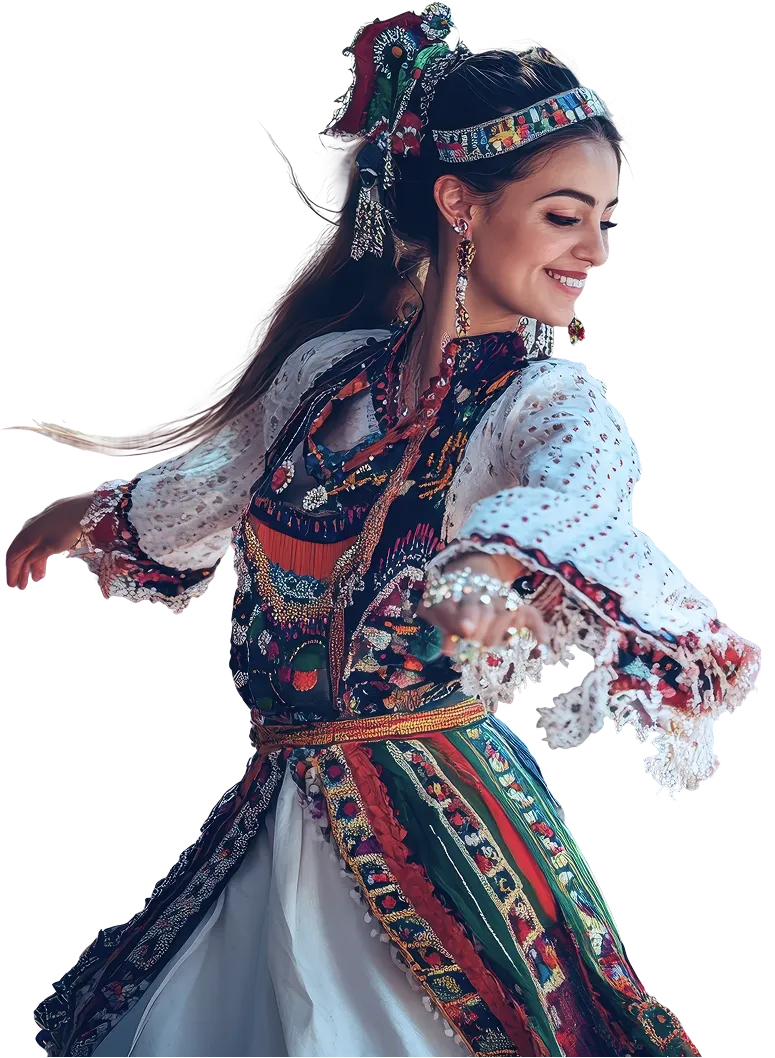

Long before written language, stories lived in objects. Patterns were messages. Shapes were symbols. Colors spoke of seasons, ancestors, protection, and hope. A woven textile might tell the story of a journey. A carved motif could ward off misfortune. A repeated rhythm in embroidery might honor the cycles of nature. In many cultures, the act of crafting was inseparable from storytelling. Elders would teach not only how to make something, but why it was made that way—and what it meant to the people who came before.
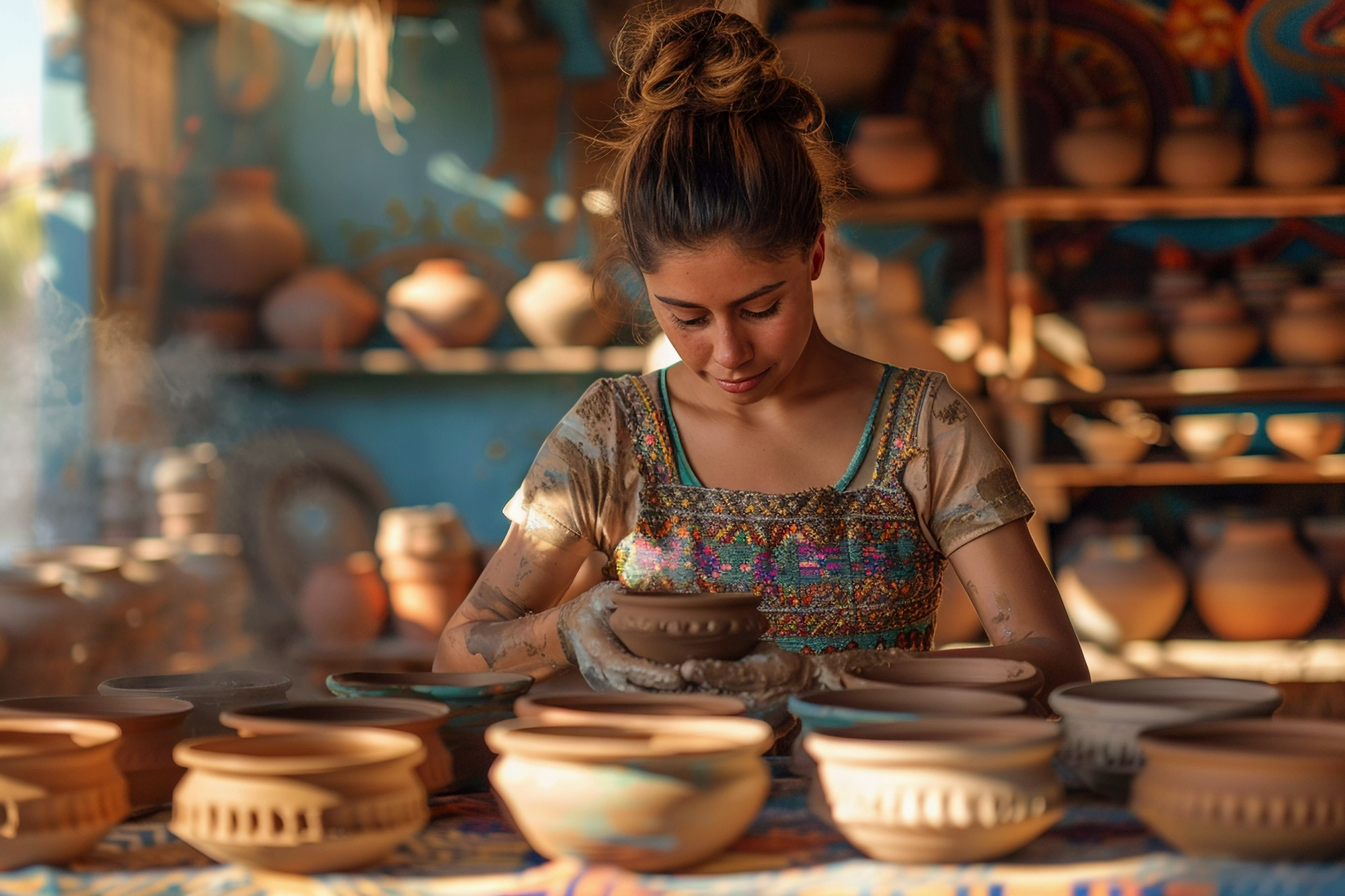
Across traditions, materials themselves were believed to carry meaning. Clay was seen as a gift from the earth—shaped by human hands but born of nature. In some myths, the first humans were formed from clay, making pottery an echo of creation itself. Wool and thread symbolized life and fate. Many cultures believed that destiny was spun, woven, or cut by unseen forces, turning textile work into a sacred act tied to time and existence. Wood carried spirit. Trees were often considered ancestors or guardians, and carving was done with respect, intention, and ritual. To work with these materials was to enter into a quiet dialogue with the natural world.
Traditional patterns are rarely decorative alone. They are visual languages. Geometric symbols often represent protection, balance, or continuity. Spirals speak of growth, cycles, and rebirth. Repeating borders mark transitions—between life stages, seasons, or worlds. In folklore, wearing or displaying certain patterns was believed to invite good fortune, ward off harm, or honor ancestral spirits. Even today, many artisans continue to reproduce these designs not out of habit, but out of respect for the stories they carry.
In many traditions, artisans were seen as more than craftspeople. They were keepers of knowledge. The potter, the weaver, the woodcarver—they held stories that explained the world, its origins, and its mysteries. Some crafts were passed down only within families or communities, taught at specific times, or practiced during certain seasons. Folklore often describes the maker as someone standing between worlds: the past and the present, the human and the natural, the visible and the unseen. Craft, in this sense, was never rushed. It was intentional, patient, and deeply personal.
Traditional crafts also served as anchors of identity. Through myths and stories, they preserved who people were—where they came from, what they believed, and how they understood their place in the world. When a craft survives, so does the story behind it. When it disappears, a piece of collective memory fades with it. This is why preserving traditional craft is not just about technique—it’s about honoring the voices, myths, and lived experiences woven into every creation.
At Tradica, we believe that learning a craft means learning its story.
When participants join our workshops, festivals, and programs, they are not simply making objects—they are stepping into centuries of narrative, symbolism, and shared human experience. By listening to myths, retelling folklore, and practicing traditional methods, we keep these stories alive—not frozen in time, but living, evolving, and relevant.
Tradica’s programs offer immersive experiences in heritage through learning, storytelling, and community engagement.